In the seafood industry, sustainability isn't just an expensive eco-label—it is a logistical shortcut that directly guarantees absolute freshness. Traditional commercial fishing in the Philippines is notorious for bloated supply chains and poor cold storage, resulting in a staggering 30% to 40% food waste problem. By the time mass-market fish hits city freezers, it has passed through multiple middlemen, losing its natural sweetness and firm texture along the way.
To challenge this, One World Deli partnered with Sinaya Seafood, a progressive social enterprise that completely bypasses the traditional commercial system.
The Direct-to-Deli Advantage
Named after the ancient deity of the sea, Sinaya Seafood works directly with small-scale, municipal fisherfolk in coastal hubs like Lubang Island, Iloilo, and Capiz.
- The Process: Fishers use traditional, non-destructive methods to catch only what is in season.
- The Logistics: The catch is immediately handled by local coastal communities, flash-frozen or chilled under strict quality control, and shipped straight to the distributor.
Because the line from the fishing boat to One World Deli is entirely direct, the seafood never decays on commercial docks.

The Quality on the Plate
This hyper-streamlined timeline was on full display at their recent World Oceans Day collaborative dinner. When seafood is this fresh, there is nowhere for subpar quality to hide:
- The Kinilaw: Needlefish and flying fish kinilaw arrived clean, bright, and with a firm, bouncy bite—completely free of the mushy texture typical of older commercial catches.
- The Scallops: Served raw on crisp tostadas, the scallops retained their natural, ocean-sweet sugar profile without requiring any heavy sauces to mask the flavor.
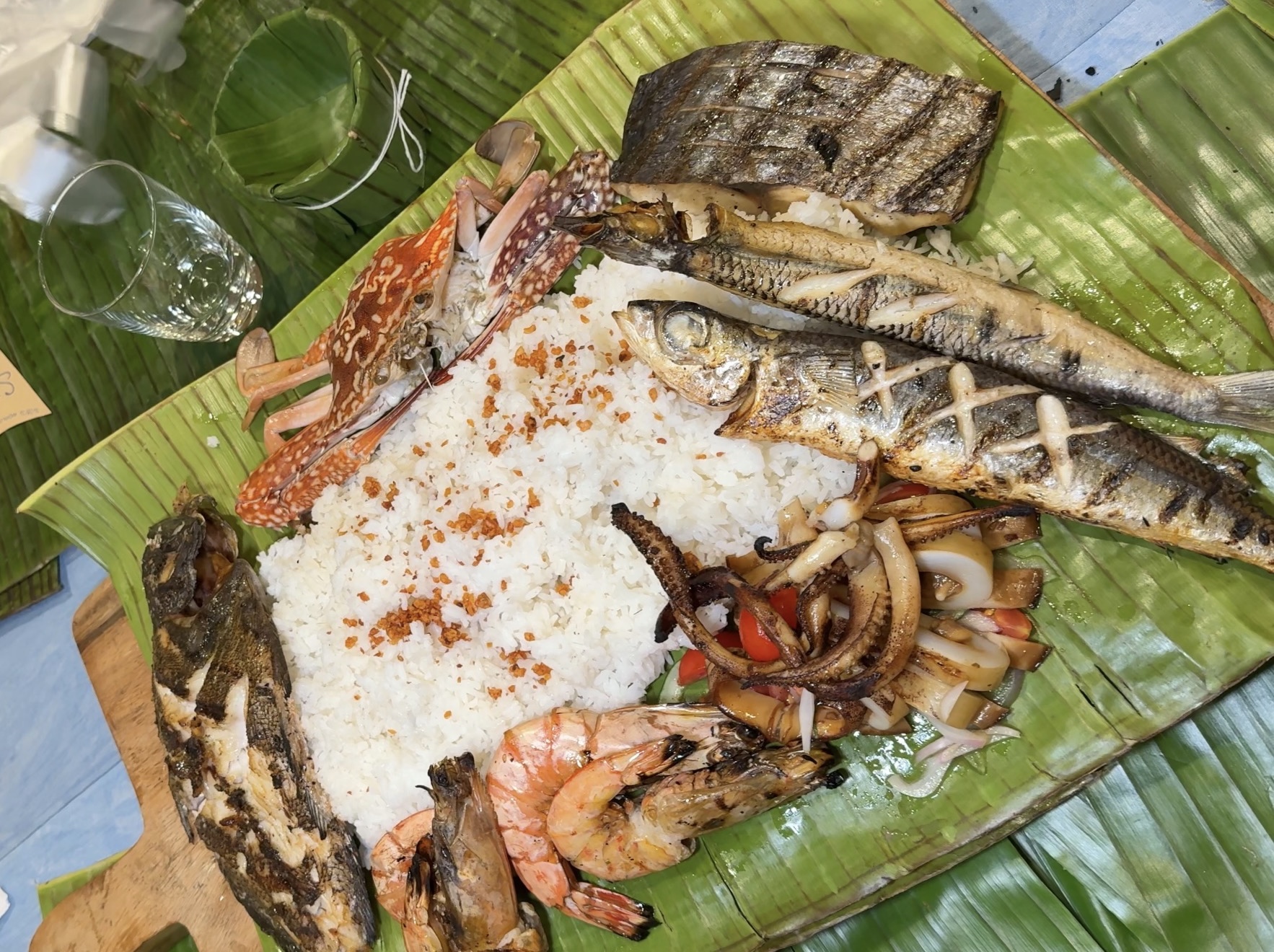
- The Sugba Platter: A rustic, flame-grilled spread of fresh pompano, sole fish, and sugpo (prawns) proved that proper grassroots cold-chain management perfectly preserves the natural moisture and oils of the flesh.
The Bottom Line
When you purchase sustainable seafood from One World Deli or order it in-house, you aren't paying a premium for a feel-good marketing phrase. You are paying for a superior logistics model. Investing directly in the livelihood and cold storage of local, small-scale fishers cuts out the clock. It turns out that doing right by the ocean is simply the most efficient way to secure a world-class dinner.